
Aluminium Window Cost Estimator Tool: Get Accurate Prices in Midrand, Centurion, Pretoria, Johannesburg, Sandton & Gauteng
Are you sure you know what your next glazing project will really cost? With our aluminium window cost estimator tool, you can get accurate figures instantly. We’re Midrand Glass, local specialists delivering accurate pricing and rapid quotes across Gauteng, so you can plan with confidence.
This short Buyer’s Guide helps you budget precisely and compare options before you commit. We anchor our pricing to local market bands — typical frames range from R1,500 to R15,000+ per opening, with installation commonly adding R1,500–R2,500.
We explain what alters the total per opening: size, type, glazing, finishes and site conditions. For quick checks, homeowners often use size benchmarks such as 600×600, 900×900 and 1200×1200 to estimate prices.
Lead times for standard styles sit at about 10–15 days and bespoke units near 20–25 days. Share measurements and specs with us and we’ll sharpen a like‑for‑like written quote, then support you from first figure to professional installation – Contact Us
Why Gauteng homeowners trust Midrand Glass for accurate aluminium windows pricing – aluminium window cost estimator tool
Homeowners across Gauteng choose Midrand Glass because we pair local knowledge with transparent pricing. We act as your local partner, giving clear figures that reflect real market conditions in south africa.
Our coverage spans Midrand, Centurion, Pretoria and Johannesburg, so we can arrange site visits, surveys and timely delivery. That local reach means our quotes account for how prices vary by city due to transport, labour and demand.
Service area and practical support
We visit sites across Gauteng to capture accurate measurements and spot potential access issues early. This reduces reworks and keeps project costs predictable.
How this guide saves you money
- We explain the main drivers of pricing so you avoid over‑specifying.
- We show measurement tips and size benchmarks to self‑check figures.
- We clarify how installation allowances are treated so the total price is accurate from day one.
Our approach balances value and quality. We help you choose the right frame and glazing for durability and energy efficiency, not just the lowest headline figure. That way your home performs better over time and surprises are rare.
Aluminium window cost estimator tool: how our calculator works and what to expect
Our online calculator gives immediate, practical estimates that reflect real job conditions across Gauteng. It helps you compare aluminium windows and options without guesswork.
Inputs to prepare:
- Size (width × height in mm), frame and glazing level.
- Preferred finishes, access at site and location.
- Any special glass or non‑standard shapes to flag complexity.
What’s included in your instant quote: a clear breakdown of materials, labour, delivery and lead times. The calculator factors typical installation allowances of R1,500 R2,500 per opening so your budget covers full window installation.
Accuracy and updates: we refresh pricing to reflect South Africa market moves so prices vary by city and material supply. Save scenarios, then ask us to convert an instant estimate into a fixed written quotes after a quick verification.
| Item | Included | Typical note |
|---|---|---|
| Frame | Yes | Profile, colour and finish |
| Glazing | Yes | Single or double glass options |
| Installation | Allowance | R1,500–R2,500 per opening |
| Lead time | Indicative | Most 10–15 days; complex 20–25 days |
Key factors that affect aluminium window price and costs in South Africa – aluminium window cost estimator tool
We explain what drives total budgets so you can prioritise upgrades and avoid surprises.
Size and design complexity are the biggest levers on price. Larger openings use more material and glass, so size usually has the largest effect on final costs.
Custom shapes, multi‑pane assemblies and slimline profiles add fabrication time. That raises both the price and lead time.
Glazing, energy efficiency and security features
Glazing choice — single, double or triple — directly affects thermal performance and budgets. Pairing good glazing with quality frames gives the best balance of efficiency and long‑term value.
Security upgrades such as toughened or laminated glass and improved locks are sensible in exposed spots and increase the overall cost modestly.
Finishes and colours
Powder‑coat is common. Anodised and wood‑look finishes uplift appearance but add a premium (often 20%+).
Site conditions and installation complexity
Tight access, working at height or multi‑storey jobs raise labour needs. Removal and disposal of old frames and making good should be included to reflect total project costs.
- Regional factors in south africa mean prices vary by transport and labour rates.
- Balancing energy efficiency with upfront price works best by matching glazing to frame quality.
Style guide and prices: sliding, casement, awning, tilt & turn, fixed, hung, bay, bow, louvre – aluminium window cost estimator tool
Each frame type brings distinct benefits and a predictable price band for planning. We set out typical ranges and when each style suits a South African home.
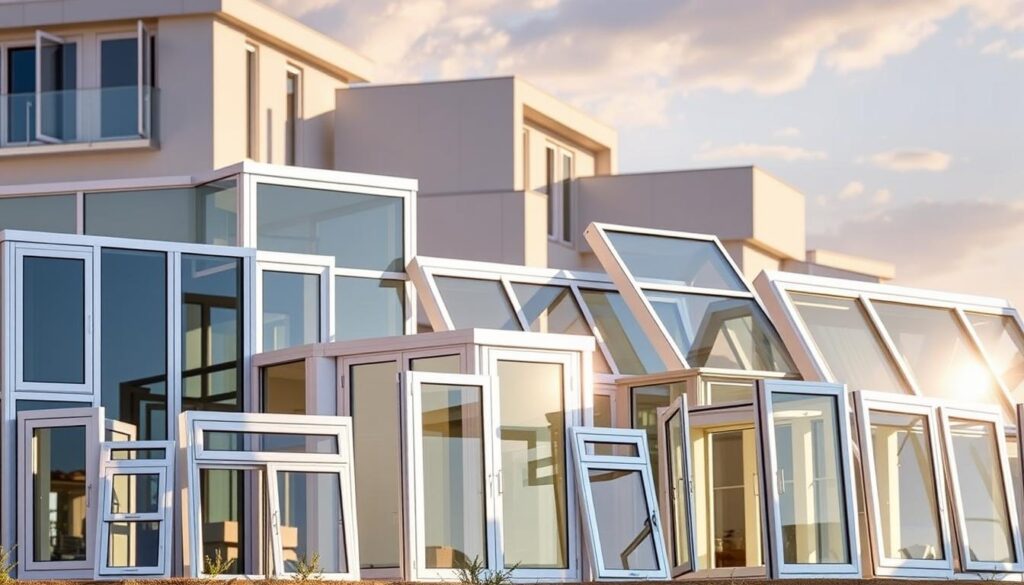
Sliding options
Sliding units are popular for wide openings and patios. They need little upkeep and glide smoothly.
Typical range: R1,000–R5,000 depending on size and finish. Delivery: around 10–15 days.
Casement and awning
The Casement frames add secure sealing and excellent ventilation for living rooms and bedrooms.
Casement: commonly R1,500–R3,000 in Pretoria sizes. Awning (top‑hung) suits wet façades and runs R1,200–R4,500.
Tilt & turn and fixed panes
Tilt & turn gives dual function and easy cleaning, generally R2,500–R7,500. Fixed panes deliver large views at good value from about R1,000.
Hung, bay, bow and louvre
Hung sashes balance airflow with classic looks; pricing tiers depend on hardware and size.
Bay and bow add curb appeal and space, usually R10,000–R15,000+. Louvre systems allow adjustable ventilation and typically span R2,000–R7,000.
“Midrand Glass helps you match style to function, budget and design so you get the best performance and appearance for your home.”
- When to choose what: sliding for patios; casement for breezy rooms; awning for rainy façades; fixed for feature glazing.
- We guide you on design, sizing and realistic pricing so you can compare options with confidence.
Size-based pricing benchmarks most buyers use to budget – aluminium window cost estimator tool
Many buyers anchor their budgets to standard panel sizes — it speeds decisions and reduces surprises.
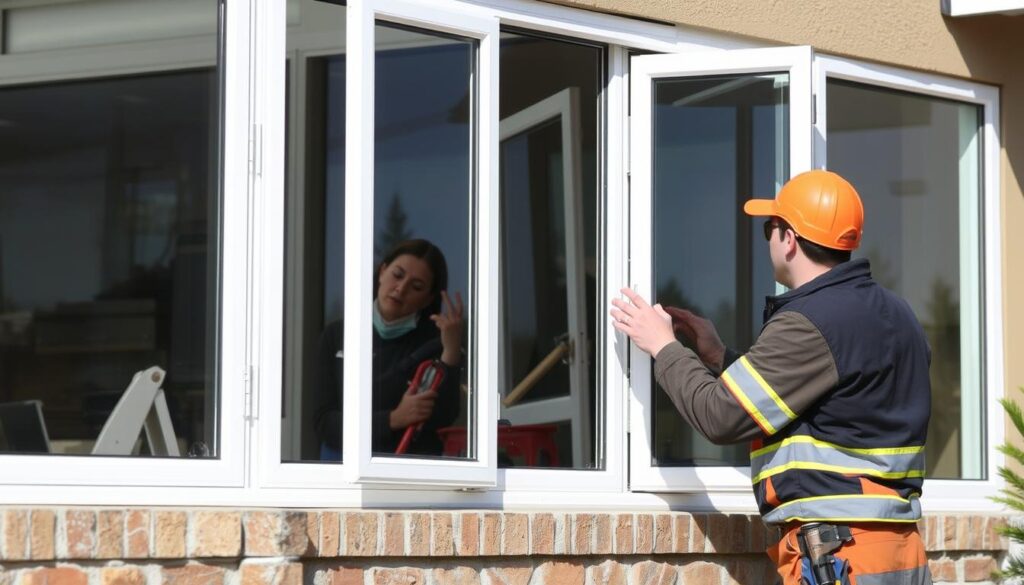
- 600 × 600 mm: R500–R900 for basic fixed or top‑hung units.
- 900 × 900 mm: R1,000–R2,000 for the common workhorse size.
- 1200 × 1200 mm: R2,000–R3,500 for larger light and views.
- 1500 × 1500 mm and above: typically R2,500–R3,500 for standard profiles; large spans rise further.
Larger spans and multi‑pane configurations
Multi‑pane sliders and wide assemblies scale with sash count and hardware. For example, 1500×1200 or 1800×1200 units cost more as material and fittings increase.
Planning tips: include allowances for structural mullions and supports on very wide openings. Always add installation allowances to reach an all‑in project figure.
Feature areas: for picture glazing or stairwells, confirm glass thickness and safety requirements early to avoid surprises. Accurate measures keep your pricing aligned with actual costs and reduce rework.
Glazing choices and their impact on pricing, comfort and energy bills – aluminium window cost estimator tool
Glass selection is where performance meets practical budgeting for any glazing project. We help you weigh upfront price against long‑term benefits so you choose what suits your home and budget.
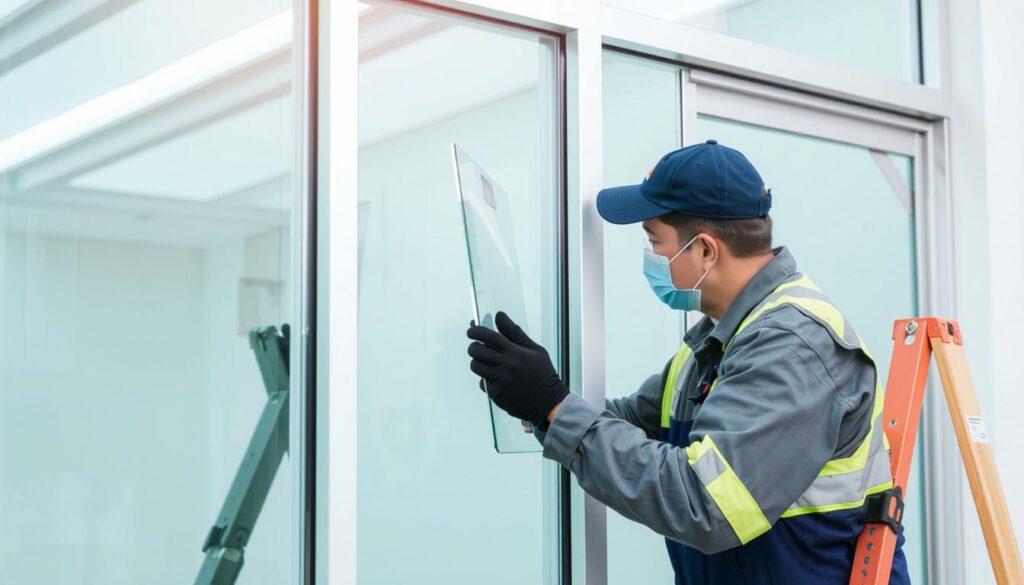
Single, double and triple: what the numbers mean
Single‑pane keeps initial outlay low (R1,500–R6,000 per opening) but gives limited thermal and acoustic performance.
Double glazing raises prices (R9,200–R19,600) yet cuts energy bills and improves comfort—often the best balance.
Triple glazing (R6,000–R10,500 depending on spec) maximises insulation and suits noisy or exposed façades.
Special glass options that add value
- Low‑E coatings reduce heat transfer while keeping the look unchanged.
- Laminated or toughened glass boosts security at low levels or beside doors.
- Acoustic glass makes a tangible difference near busy roads or flight paths.
“We present side‑by‑side options so you can see how price, comfort and running costs compare.”
We’ll model pane thickness, gas fill and spacer choices and show likely payback in reduced energy bills. That way you get clear, practical choices—rather than surprises—when you decide.
Finishes, frames and design details that change the quote – aluminium window cost estimator tool
Choosing finishes and frame details shapes the final price, lead time and long‑term look. We help you weigh visual impact against practical premiums so you get the best value for your budget.
Powder‑coat, anodised and wood‑look options
Powder‑coated RAL colours give wide choice and strong durability at accessible prices. They suit most façades and need little upkeep.
Anodised finishes offer a premium metallic sheen and extra surface hardness. Expect a typical uplift of 20%+ for anodising and for bespoke colour matching there may be further surcharges.
Wood‑look finishes deliver warmth without timber upkeep and remain popular where a classic aesthetic is wanted.
Slimline profiles, mullions and bespoke shapes
Slimline frames maximise glass area but can raise fabrication expense. Added mullions and transoms change appearance and increase labour.
Bespoke radii or non‑standard shapes need custom tooling and longer lead times. We itemise these premiums clearly so you can compare value and appearance.
We’ll guide you on finishes that suit local conditions and confirm hardware colours to complete the look.
Installation costs explained: labour, access, removal and making good – aluminium window cost estimator tool
Installation is where quoted numbers become real — and where clarity prevents surprise bills. We set out how labour, access and site works build the total installed price so you know what to expect.
Typical installation allowances in Gauteng are r1,500 r2,500 per opening. We adjust this by complexity, height and the number of openings so your quote reflects real on‑site effort.
Typical installation add-ons in Gauteng: R1,500 – R2,500 per window
We break labour down into set‑out, fixing, sealing and making good. Local labour rates commonly sit between R400–R800 per hour, with minor repairs R300–R2,000 and full replacement work from R2,500–R7,000+
Old removal, delivery, call‑out fees and site preparation
Old frame removal and disposal is included on request to avoid hidden extras. Call‑out fees, delivery, parking or crane access are disclosed up front.
- Best practice sealing and weatherproofing are standard in our installs.
- Complex jobs — multi‑storey, tight access, large panes — need extra crew time and may raise the invoice.
- Our teams protect interiors, coordinate with trades and tidy on completion so your home is left clean and secure.
“Our quotes always show a clear installation line so the total price is transparent and controlled.”
For clarity, we include a separate line in your quote for window installation and list any extras. That way the final installed price for an aluminium window or for sets of aluminium windows is straightforward to compare and approve.
Regional pricing signals: Midrand, Pretoria, Johannesburg and surrounding areas – aluminium window cost estimator tool
Where a project sits in Midrand, Pretoria or Johannesburg often nudges final pricing by small but real margins. We localise every quote so it reflects travel, supply and local demand.
How location affects quotes: transport, labour and demand
Transport distances, fuel and traffic logistics change delivery lines in practical ways. Dense urban sites may need timed deliveries or extra labour, which adjusts the installation line slightly.
Labour availability and demand cycles also matter. When crews are busy, lead times lengthen and prices vary accordingly. We watch these patterns and advise early ordering.
City-by-city tendencies and why prices vary
Pretoria and Johannesburg share similar base ranges, but local demand and occasional supply dips create small deltas. Midrand benefits from frequent runs, so we often keep pricing efficient there.
We optimise deliveries by zone, stage larger projects and keep relationships with multiple suppliers to buffer local stock shifts. That way our quotes stay clear and practical for customers across south africa.
“We tailor every written quote to the area so your figures match real site conditions and timings.”
- Estimator inputs include postcode to reflect real delivery and labour assumptions.
- We update quotes when temporary market shifts affect availability or pricing.
Energy efficiency, durability and lifetime value of aluminium windows – aluminium window cost estimator tool
Long-term value often outweighs a higher upfront price. We focus on how better frames and glazing reduce running bills and deliver reliable service for decades.
Lower running costs vs higher upfront price
Energy efficiency upgrades lift comfort and cut heating and cooling bills across seasons. Choosing double glazing and good thermal breaks can show savings within a few years.
We balance glazing and frame specs so you gain efficiency without overspending. Our advice targets the rooms where upgrades pay back fastest in a typical South African home.
45‑year lifespan, low maintenance and security advantages
Frames resist corrosion and rot, giving long service with minimal upkeep. Routine cleaning and hardware checks keep performance high.
Windows offer strong locking options and laminated glass adds security. Over a 45‑year lifespan, cumulative savings and fewer replacements often outweigh the initial premium compared with wood.
“We spell out lifetime value in our quotes so you can weigh price against decades of lower running costs and reliable performance.”
| Feature | Benefit | Lifetime impact |
|---|---|---|
| Improved glazing | Lower energy use | Reduced bills over decades |
| Robust frame | Low maintenance | Fewer replacements, steady value |
| Security glazing | Better protection | Lower risk and insurance value |
| Protective finish | UV and coastal resistance | Stable colour and durability |
Sliding vs casement: cost, ventilation and energy trade‑offs – aluminium window cost estimator tool
Different opening types shift performance, maintenance and pricing—so pick the best fit for each room.
When a sliding option is the smarter buy
Sliding units commonly start near R1,000 and suit wide spans. They give uninterrupted views and glide with low maintenance.
They work well for patios and places where inward sash swing would clash with furniture or paths. Cleaning is straightforward and operation stays smooth over time.
When casement earns its premium
Casement models typically begin from about R1,500. They seal very tightly and capture breezes, delivering better ventilation and thermal performance.
For exposed façades or rooms needing strong weather protection, the firmer seal can improve comfort and reduce heating or cooling needs.
- Price gaps change with size, hardware and glazing choices.
- Consider sash swing for furniture and safe walkways.
- Upper floors may prefer restricted casements for safety.
“We show side‑by‑side pricing for like‑for‑like sizes so you can choose confidently.”
| Feature | Sliding | Casement |
|---|---|---|
| Typical start price | R1,000 | R1,500 |
| Ventilation | Moderate (linear opening) | High (directed airflow) |
| Weather sealing | Good | Excellent |
| Best for | Wide spans, patios, unobstructed views | Bedrooms, exposed façades, thermal performance |
Lead times, delivery windows and project timelines you can plan around – aluminium window cost estimator tool
Accurate lead times let you sequence labour and avoid costly site idle time. We give clear guidance so you can set expectations with trades and your family.
Standard vs custom: 10–25 day guidance from recent projects
Expect standard sizes and common profiles to move through measurement, fabrication and delivery in about 10–15 days after drawings are signed and deposit is paid.
Custom shapes, bay and bow units typically need more care. Allow roughly 20–25 days because of extra fabrication steps and checks.
How to sequence measurement, fabrication and installation
We suggest a simple, staged flow to keep projects tidy and fast.
- Measure and confirm sizes; approve finishes and hardware early.
- Deposit and sign-off starts fabrication; we issue milestone updates.
- Schedule delivery slots and protect interiors before install.
- Install in phases for larger jobs so rooms remain usable.
| Stage | Action | Typical days | Note |
|---|---|---|---|
| Survey | Site measure and final specs | 1–3 days | Fast approvals speed the timeline |
| Fabrication | Profile and glass assembly | 10–25 days | Standard faster; bespoke longer |
| Delivery | Logistics and on-site handling | 1–3 days | We book slots to avoid delays |
| Installation | Fit, seal and make-good | Per opening: hours–1+ day | Complex installs take longer |
Practical tip: lock finishes and special glass early. That helps us hit delivery windows and keeps your overall price and schedule steady.
Getting the best quote: how we help you compare aluminium vs wood, styles and specs – aluminium window cost estimator tool
We make apples‑to‑apples quotes so you can judge options fairly. Our approach matches size, glazing, hardware and finishes so differences in price and long‑term upkeep are clear.
Like‑for‑like comparisons: frames, glazing, hardware and finishes
We itemise each line so comparisons are honest and useful. That includes frame type, glass spec, locks and finish.
- Frames: metal vs wood upfront price and expected maintenance.
- Glazing: single or double and impact on energy efficiency and comfort.
- Hardware & security: locks, laminated glass and upgraded fittings.
- Finishes: colour stability for coastal or sun‑exposed façades.
What to share with us for precise, fast quotes
Provide clear sizes, opening types, counts and any access issues. Tell us if old frames must be removed and whether special glazing or security is needed.
| What to send | Why it matters | We include |
|---|---|---|
| Measurements & counts | Enables true like‑for‑like pricing | Material, labour and pricing lines |
| Access & location | Affects crew time and logistics | Delivery and installation allowance (r1,500 r2,500) |
| Finish & security needs | Defines long‑term upkeep and value | Alternate options and lifecycle notes |
“We’ll show transparent quotes with clear assumptions and practical alternates tailored to your home and schedule.”
Aluminium window cost estimator tool: Conclusion
When you’re ready to proceed, we’ll turn estimates into fixed, site‑checked quotes.
Supply for an aluminium window can span R1,500–R15,000+ by type and spec. Installation typically adds R1,500–R2,500 per opening. Common panel sizes run from 600×600 to 1,200×1,200 mm; larger spans are available. Lead times sit at about 10–25 days depending on complexity.
Our Buyer’s Guide and aluminium windows estimator equip you to plan with confidence. We outline styles, glazing, finishes and clear installation allowances so surprises are rare.
Next steps: share sizes and preferences, book a site measure, and we’ll convert an instant estimate into a firm written quote with timing and delivery details.

